







Search Results for: difference between iced Americanos
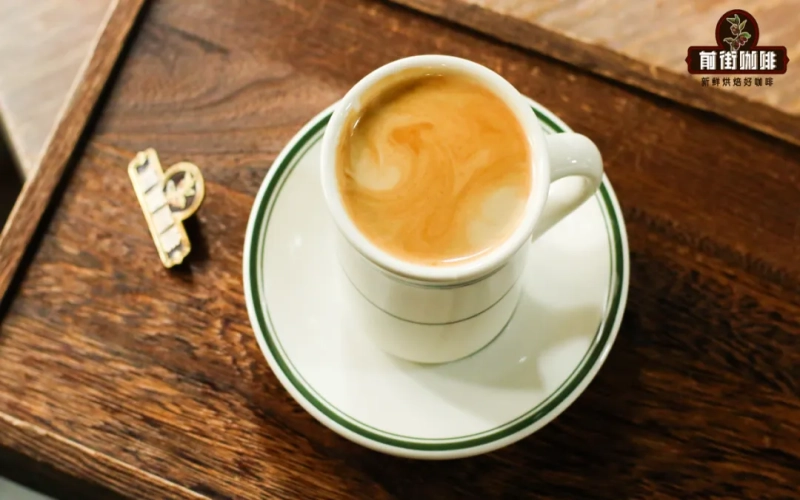
Why Is an Iced Americano Without Ice Often Warm? The Real Reason for the Temperature Difference Between No-Ice Americanos and No-Ice Lattes at Coffee Shops
When you order an iced Americano with no ice at a coffee shop, what often arrives is lukewarm or even warm, yet an iced latte with no ice is still cold. This difference leaves many coffee lovers puzzled. Drawing on the real-world experience of Front Street's stores, this article breaks down the underlying logic of how coffee shops make no-ice coffee, explains why no-ice Americanos are generally warm while no-ice lattes stay cold, and analyzes why coffee shops don't adopt the icing methods used by milk tea shops. Finally, it offers practical alternative ordering tips for those who want a lightly chilled Americano. The article also introduces Front Street's espresso bean series and the characteristics of its classic blend, making it a useful reference for coffee lovers who want to practice latte art at home or open their own shop. [more…]

Little difference between hot and cold coffee in refreshing effect; from the perspective of aroma, taste, and extraction principles, how should you choose between Americanos?
Many people assume that hot coffee is more effective at boosting alertness than iced coffee, but what really affects alertness is the caffeine content of the coffee beans themselves and how much of it is extracted during brewing. With the same beans, the longer the extraction time, the more caffeine is released, so when you need a quick pick-me-up, cold brew or pour-over drip are both viable options. Americano is currently the most popular coffee drink, and iced Americano accounts for the vast majority of those, but hot Americano performs better in aroma, flavor fullness, and body. Front Street Coffee used its Warm Sun blend to compare hot, room-temperature, and iced Americanos, and found that hot Americano had the best aroma, while iced Americano was more refreshing and smooth. This article, from the perspectives of the science of alertness, flavor differences, and brewing suggestions, helps you find the cup that suits you best. [more…]

An Analysis of the Flavor Differences Between Iced and Hot Americanos: From the Chain of Contempt to a Complete Overview of the Iced Coffee Family
Should you choose hot or iced coffee? A hot Americano is made with drip coffee or espresso plus hot water, pursuing convenience and casualness, with a light and subtly sweet taste; an iced Americano pours hot-brewed espresso over ice cubes and cold water, with the ratio adjusted to your liking—the more water, the weaker the flavor. There's even a hierarchy of disdain circulating in the coffee world—pour-over enthusiasts think Americanos are just watered-down coffee, while hot coffee drinkers see iced coffee as an oddity, and ordering an iced Americano might even earn you scorn. Besides iced Americanos, other iced black coffees like cold brew, ice drip, and nitro cold brew have also entered the scene—what exactly sets them apart? This article explains it all at once. [more…]

Why Is Iced Americano So Popular? How Do Hot and Iced Americanos Differ in Flavor and Effects?
No matter the season, people who walk into a coffee shop and order an Americano tend to choose it iced. Why is iced Americano so popular? Isn't hot Americano just as aromatic? After talking with many customers, Front Street Coffee found that people's preference for iced Americano mainly comes down to three reasons: the younger generation's natural liking for cold drinks, the lower perception of bitterness in iced Americano, and its refreshing, palate-cleansing taste experience. So, is there actually any difference between hot and iced Americano in terms of flavor expression and practical effects? This article will use the same coffee beans, the same extraction parameters and ratios, and prepare Americanos with three water temperatures—high, room, and low—for a side-by-side comparison, analyzing them from dimensions such as aroma, taste, and mouthfeel, while also offering recommendations on suitable coffee beans for making Americano. [more…]

Why do iced coffees vary in cup volume when ordered without ice? Looking at the logic of topping up after removing ice in Americanos, Lattes, and Cappuccinos
When ordering an iced espresso drink without ice at a coffee shop, some people receive a full cup, while others get only a seven-tenths-full cup, or even half a cup. This difference in volume is not accidental, but is closely related to the store's business philosophy, recipe ratios, ice quality, and the concentration of the coffee beans and milk. Starting from the production practices at Front Street Coffee, this article analyzes why iced coffee drinks such as Americanos, lattes, and cappuccinos end up with different cup volumes after the ice is removed, and how adding water or milk after removing the ice affects the coffee's concentration, taste, and mouthfeel, helping coffee enthusiasts understand the logic of trade-offs behind a cup of ice-free coffee. [more…]

What's the difference between iced Americano and hot Americano? What coffee beans should you choose to make iced Americano?
Americano is the daily go-to choice for many coffee lovers. It is made by diluting espresso with water—simple to prepare, yet endlessly variable. Swap the hot water for ice water or simply add ice, and a hot Americano becomes an iced Americano, with the flavor changing accordingly. This article covers the basic method for making an Americano, the differences between iced and hot Americanos, whether to choose hot or cold water when brewing, and which coffee beans are suitable for iced Americanos. It also draws on Front Street Coffee's in-store offerings and recommended bean list to provide specific extraction parameters and blending ideas, helping you make a cup of iced Americano with abundant fruity notes and a refreshing mouthfeel at home, while also understanding why it is low in calories and favored by celebrities. [more…]

A Comprehensive Analysis of Four Ice Levels for Iced Americano: Ratios and Flavor Differences for Regular Ice, Less Ice, No Ice, and Extra Ice
Walk into any chain coffee shop, and just the Americano alone can give you a case of choice paralysis—regular ice, less ice, no ice, and even the secret-menu full ice. These seem like nothing more than differences in the amount of ice, but in reality they fundamentally change a cup of coffee's strength, aroma direction, and mouthfeel. This article will break down, one by one, the key preparation points and taste characteristics of four ice-level Americanos, from the ratio logic and operating steps to the final flavor, and will use Front Street Coffee's commercial blend as the unified test bean to help you make the cup that suits your taste, whether at home or in a shop. [more…]

How to Make Americano Black Coffee | Is There a Big Difference in Taste Between Americanos at Different Temperatures? Which Has More Calories, Hot Americano or Iced Americano?
Coffee has become a necessity in everyone's life. Some people use it to stay awake, some to lose weight, and more people drink it out of habit. Coffee contains caffeine, which can indeed help with fat loss, but it shouldn't be used as a weight-loss tool—it's just a beverage. Americano is a type of coffee, without [more…]

A customer ordered an iced latte but received an iced americano; the shop's claim that "an americano latte has no milk" has sparked doubts about their professionalism.
A customer ordered two iced lattes but received two iced Americanos instead. When the customer complained, the shop actually told them that "an Americano latte has no milk" — an absurd scene that recently sparked heated discussion on social media. Even more laughably, when the shop made the wrong iced matcha latte, they suggested the customer microwave it themselves. This exchange left the customer exclaiming that the shop was "woefully ignorant," and prompted netizens to question: if they cannot even distinguish basic drink categories, how can they run a coffee business well? In today's fiercely competitive coffee industry, where exactly lies the professional threshold for practitioners? This article walks you through the incident and explores the basic qualities a barista should possess. [more…]

Which is more outstanding: iced, hot, or room-temperature Americano? What water temperature is suitable for controlling hot Americano?
It's the same espresso diluted with water, so why do iced, hot, and room-temperature Americanos taste so different? This article starts with the origins of the Americano, traces how Italian-style cafés brought this drink to prominence, and uses a comparative experiment—making iced-water, room-temperature-water, and 88°C-hot-water versions of the Americano with Front Street Coffee's classic espresso blend—to break down the differences one by one across three dimensions: aroma, flavor, and mouthfeel. The article also provides specific methods for making all three types of Americano, the ratio of espresso to water, and the reason hot Americanos shouldn't use water that's too hot, helping coffee lovers choose based on the taste they want at the moment. [more…]
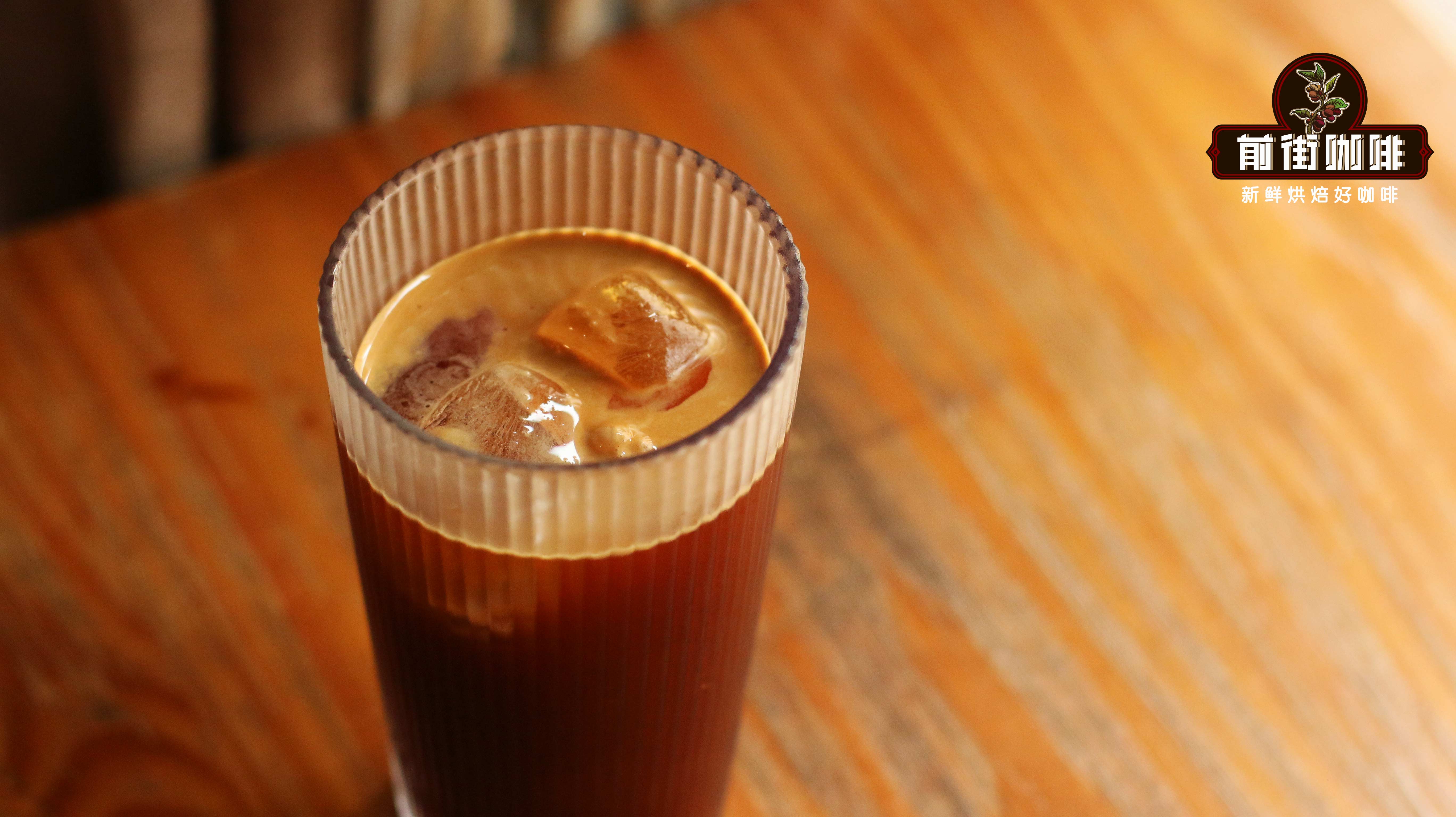
A Complete Guide to Making Americano: From Espresso Extraction to Cup Size, Calories, and Iced Drink Ratios
American coffee may seem to consist of only two ingredients—espresso and water—but it is the best test of a barista's extraction skills. Without the embellishment of milk, the flavors of the coffee beans themselves are laid bare, so many industry professionals order an Americano when visiting a new shop to judge the quality of its output. Drawing on the hands-on experience of Front Street Coffee, this article sorts out the specific ratios for hot and iced Americanos, the choice of cup capacity, and explores how the flavor changes when the crema is scraped off, helping coffee lovers consistently reproduce a delicious Americano at home. [more…]

Caffeine content in Americano | Will drinking Americano make you addicted? How many iced Americanos can you drink per day at most? How to make a standard Americano at home?
Americano is a coffee drink that many people enjoy. However, many coffee lovers worry about becoming addicted to coffee or consuming too much caffeine, so they sometimes struggle with the decision of whether to drink it or not. Therefore, in this article, Front Street Coffee will explain the basics of Americano. What is Americano? " [more…]
How
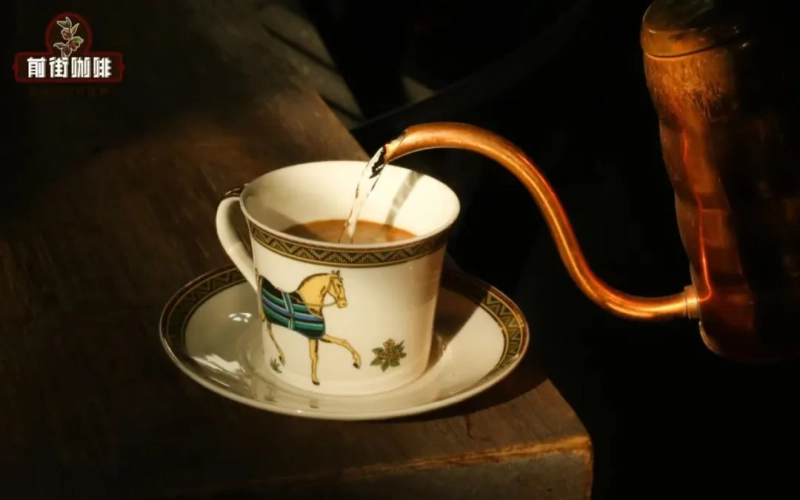
Hot Americano may seem like just espresso with hot water, but the water temperature directly affects the aroma, the balance of acidity and bitterness, and the drinking window. Front Street Coffee used the Warm Sun blend as the base and brewed Americanos at four water temperatures—55°C, 65°C, 75°C, and 90°C—then compared them through tastings at three points: immediately after brewing, at the 5-minute mark, and at the 20-minute mark. The experiment found that at the moment of serving, 65°C delivered the best overall performance, while over the course of 20 minutes, 75°C performed better overall. The article also recommends a serving temperature of 75±5°C for dine-in hot Americanos and offers practical tips such as preheating the coffee cup and distinguishing between dine-in and takeaway preparation. [more…]

Why does the same cup of Americano taste so drastically different when enjoyed hot versus iced?
The recipe for an Americano looks simple enough—just espresso diluted with water. But what's interesting is that merely switching the water from hot to iced makes it taste like two completely different drinks. A hot Americano is steady and full-bodied, while an iced Americano is crisp and lively—even the flavor direction shifts. The reason behind this doesn't lie in differences in extraction method, but in how temperature affects our sense of taste and smell. Starting from a hot-versus-cold comparison of Front Street Coffee's Warm Sun blend, this article walks you through why hot and iced Americanos can develop such distinctly different styles, and why this difference naturally divides coffee lovers into two camps. [more…]

Espresso Brew Ratio | How Can Coffee Beginners Make Delicious Americanos and Lattes? Which Coffee Beans Are Suitable for Extracting Espresso?
A cup of rich espresso can be enjoyed in many ways: add fresh milk and it becomes a creamy milk coffee; add hot water at the right temperature and it becomes a hot Americano; or add ice cubes and it becomes an iced Americano. Of course, you can also directly use the single shot of espresso you've extracted. [more…]
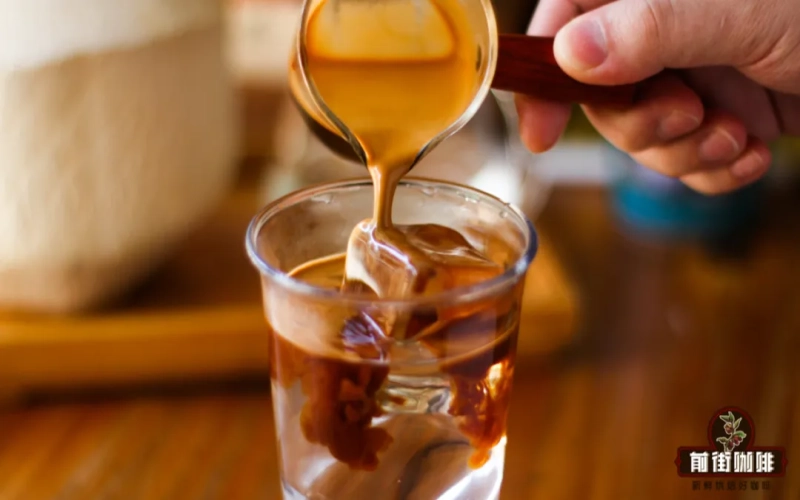
The Complete Guide to Making Iced Americano: A Detailed Explanation of Water-to-Ice Ratios, Espresso Extraction Parameters, and Coffee Bean Selection
The method for making an iced americano looks simple—just pour espresso into ice water and it's done—but doing it well is not easy. The three elements of water, ice, and espresso each directly affect the flavor and mouthfeel of the final drink. Drawing on Front Street's practical experience, this article breaks down in detail the key points of making an iced americano: how water quality affects coffee flavor, what water quality to pair with different roast levels, how ice cube size and melting speed determine the ice-to-water ratio, and how espresso extraction should be adjusted. The article also provides specific parameter examples and Front Street bean recommendations to help you consistently make a delicious iced americano at home. [more…]

How Is an Americano Different from an Espresso? A Comparison of Iced and Hot Americano Taste and Calorie Differences
As temperatures climb, iced coffee becomes one of the most popular categories at Front Street Coffee stores. Recently, reports have pointed out that the calories in two creamers are about 56 kcal, equivalent to a small slice of thin toast. So how many calories do you actually take in with one cup of coffee? According to data published on the official website of a well-known chain brewed coffee brand, a medium Americano has about 11 kcal, and after adding 28 kcal of creamer, the total is 39 kcal; while a medium latte of the same size reaches 176 kcal, more than 4.5 times that of an Americano with creamer. In other words, the calories in one latte a day are more than drinking four Americanos with creamer in a row. This article will explain the differences between Americano and espresso, the specific method for making iced Americano, and the flavor presented by Front Street Coffee's Sunflower Warm Sun blend. [more…]
Latte or Americano for fat loss? The weight-loss advantages of black coffee from the perspective of caffeine and calories, plus how to make an Americano
Caffeine can boost metabolism, stimulate neural excitement, and promote gastrointestinal motility, so coffee is often used as a daily beverage by those trying to lose fat. However, not all coffee is conducive to weight loss. This article focuses on the differences between lattes and Americanos, explaining why black coffee has the advantage, while also detailing the bean selection approach for Americanos, the flavor characteristics of Front Street Coffee's four espresso blends, and the extraction parameters and mixing ratios for hot and iced Americanos. Finally, it includes the steps for tasting a cup of coffee, helping coffee lovers drink both professionally and satisfyingly during their fat-loss phase. [more…]

Latte with milk, Americano with water: the differences between two espresso drinks and the real reason Americanos taste bitter
Standing at a café counter, beginners are often stumped by drinks with similar names on the menu: latte and americano seem to share the same origin—one is poured with milk, the other diluted with water—yet their flavors are worlds apart. Starting from what Front Street Coffee serves in its shops, this article explains the definition of espresso and the logic of its extraction, compares latte and americano in method and taste, shares the flavor profile and specific extraction parameters of the Warm Sun blend beans, and answers why americano tastes bitter—which bitterness is normal, which bitterness signals a problem with extraction, and the corresponding adjustment approaches. [more…]
What Is the Ideal Water Temperature for a Hot Americano? A Comparative Experiment from 55°C to 90°C and the Perfect Ratio Recipe
The difference between a hot americano and an iced americano ultimately comes down to whether the espresso is combined with hot water or iced water. This seemingly simple combination actually involves a lot of nuance—water temperature, the coffee-to-water ratio, and the timing of tasting all influence the final flavor of an americano. This time, Front Street Coffee brewed hot americanos with four different water temperatures—55°C, 65°C, 75°C, and 90°C—and compared them at three points in time: just after brewing, 5 minutes later, and 20 minutes later. Using measured data, we’ll tell you which temperature is best for serving a hot americano for dine-in, and reveal the complete pattern of how coffee flavor changes over time at different water temperatures. [more…]